



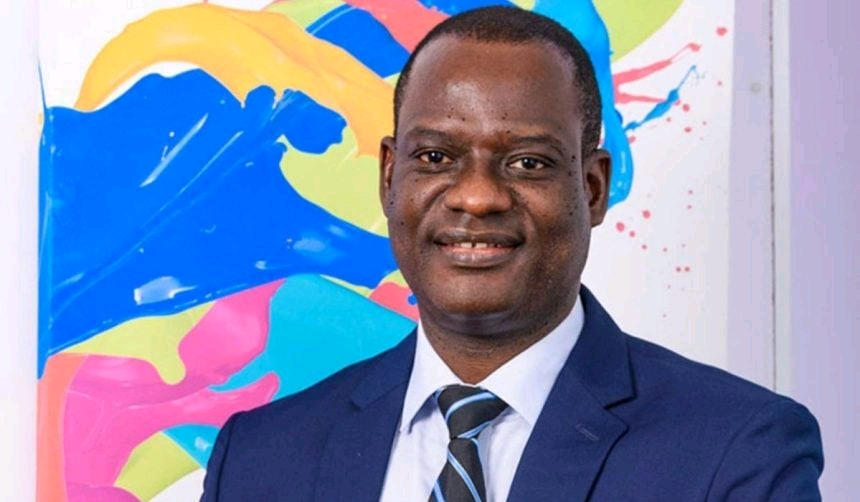

THE Federal Government has unveiled an ambitious proposal for a continent-wide payment card that would enable direct transactions between African currencies, bypassing the U.S. dollar and other intermediary currencies in a bid to slash costs and supercharge intra-African trade.
The initiative was announced by the Minister of Finance and Coordinating Minister of the Economy, Taiwo Oyedele, during a high-level meeting with a Mastercard delegation, in Abuja, on Tuesday.
“Africa has a unique opportunity to modernize its payment infrastructure,” Oyedele said. He emphasised the need to move beyond traditional settlement systems dominated by foreign currencies.
“We hope that, for example, we have a payment card that you can use to pay from naira to Kenyan shillings, to South African rand, without a third currency. And we know you can make it possible,” he told the Mastercard team.
Under the current system, many cross-border card payments within Africa are routed through the dollar. A Nigerian making a purchase in Ghana, for instance, may see their naira converted to dollars before being changed again into cedis, incurring multiple fees and exchange rate risks. The proposed pan-African card seeks to eliminate this friction, enabling seamless, cost-effective direct settlements.
The move aligns with Nigeria’s broader push to deepen economic integration under the African Continental Free Trade Area (AfCFTA). Oyedele expressed confidence that global payment giants like Mastercard could help turn the vision into reality, strengthening trade ties and building a more connected African economy.
Beyond cross-border payments, the minister urged Mastercard to expand consumer credit access in Nigeria, where credit card penetration remains low even among senior officials and high-income earners.
“Obtaining credit cards remains challenging,” he noted, calling for greater collaboration to bridge gaps in the country’s consumer finance ecosystem.
Oyedele also spotlighted Nigeria’s vibrant fintech sector, home to five of Africa’s nine fintech unicorns.
“Our fintech sector is quite developed, but we know that we can do much better. We can be much bigger,” he said, reaffirming the government’s commitment to policy stability and an investor-friendly climate.
