




Nigeria is facing a dangerous gap in childhood protection against diphtheria, with new research showing that children in poorer states are far less likely to be fully vaccinated, leaving many at risk of a disease that can kill within days if untreated.
A nationwide study published in Public Health Challenges found that only 56% of children aged 12 to 23 months in Nigeria are fully vaccinated against diphtheria, pertussis, and tetanus (DPT), a level far below what is needed to prevent outbreaks.
Researchers identified a clear trend: the poorer the state, the lower the vaccination rate.
The study used Nigeria’s Multidimensional Poverty Index (MPI), which measures poverty beyond income, including access to education, healthcare, clean water, sanitation, housing, and employment. It found a statistically significant link between higher poverty and lower vaccination coverage, showing that children in more deprived states are less likely to be protected.
A sharp geographical divide also emerged. Most of the lowest-coverage states are in northern Nigeria, while the highest rates are in the South. In some northern states, fewer than half of children are fully vaccinated. In Sokoto State, coverage is just 11.5%, the lowest in the country.
By contrast, southern states including Ebonyi, Enugu, Imo, Ekiti, Lagos, Edo, and Osun recorded coverage above 80%, with Ebonyi reaching 98.7%. The Federal Capital Territory, Abuja, recorded about 79.6%.
Researchers described the gap as “deeply unequal”, linking it to long-standing differences in income, education, infrastructure, and healthcare access across regions.
The study analysed data from more than 5,600 children aged 12–23 months from the 2021 Multiple Indicator Cluster Survey. It found that 70.3% received at least one DPT dose, but only 56% completed all three doses, while 13.7% were partially vaccinated and the rest received none.
Partial vaccination is particularly high in northern states. In Borno State, nearly 28% of children did not complete the vaccine series, leaving them at risk. In contrast, several southern states recorded almost no partial vaccination, suggesting stronger follow-up and completion of immunisation schedules.
Researchers warned that improving coverage cannot rely on health policy alone, stressing that poverty and education are key drivers of inequality.
“Children in poorer states are consistently left behind,” they noted, adding that inequality has become a major driver of disease risk in Nigeria.
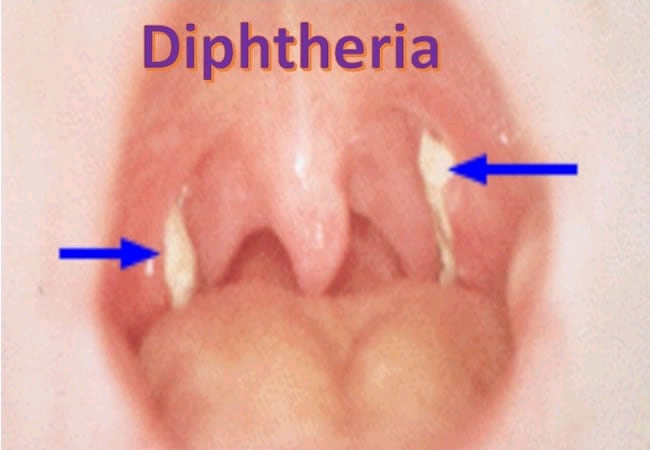
Diphtheria is a highly contagious bacterial infection spread through coughing and sneezing. It can cause severe breathing problems, heart complications, and death if untreated.
Nigeria has recorded repeated outbreaks in recent years. Between 2022 and 2023 alone, health authorities reported more than 13,000 suspected cases, over 8,000 confirmed infections, and at least 453 deaths.
Experts say these figures underline a clear warning: low vaccination coverage is directly linked to preventable deaths.
The study identified several drivers of “zero-dose” children, including limited access to healthcare in rural areas, insecurity, misinformation, low maternal education, and vaccine fears.
Researchers concluded that unless Nigeria tackles both health system weaknesses and wider social inequalities, vaccination gaps will persist and outbreaks will continue to threaten children’s lives.
They stressed that poverty is not just a background issue but a central factor shaping health outcomes. Without targeted action in the poorest states, many of Nigeria’s most vulnerable
children will remain exposed to a preventable disease.
