



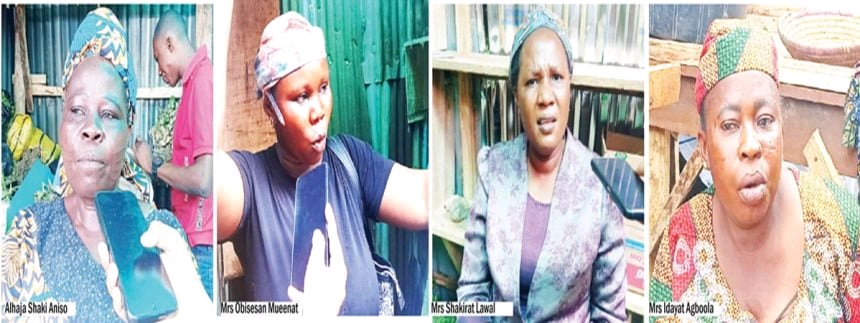

What existed for over 30 years was destroyed in a few hours. When Mrs Shakirat Lawal arrived at Bode Market, Ibadan, in the morning of Friday, 3 July, 2026, the shop, store and goods she had left intact on Thursday were no longer there. In their place, she found a field of ash and thin flames still curling from bundles of yet-to-burn herbs. An inheritance passed down through generations had been reduced to embers overnight.
For more than three decades, Bode Market had been a sanctuary of healing, a labyrinth of over 300 stalls trading healing herbs, roots, barks and sundry medicinal concoctions.
On that fateful Friday night, fire swept through it. The blaze didn’t just devour wooden stalls, it wrecked lives and swallowed livelihoods which had been woven over generations.
In the aftermath, the acrid smell of burnt herbs still hung in the air, and the lament of traders rose with the dust.
Alhaja Shaki Aniso, who deals in a wide range of herbs, could barely find the right words. “I had just stocked herbs worth N19 million only on Wednesday, before the fire,” she said, her voice trailing off. “By Friday morning, I came to meet their ashes.”
Another trader, Mrs Obisesan Mueenat lamented: “Just one of the items in my shop was worth more than N500,000. This is outside of the other goods in there. For instance, the heads of rat alone in my shop before it got burnt were worth N5million.”
For some of the other traders, their stalls were not just a business, they were their only lifeline. “I used this business to feed my children because I don’t have any supporter. I am a widow,” Mrs Idayat Agboola cried. Her words carried the weight of both grief and fear for what tomorrow holds.
Ibadan Bode market
Standing amid the charred, burnt stalls, Mrs Obisesan Mueenat did not cry. Instead, frustration etched her face as she spoke about politicians and other visitors to the market. “They have been coming to hear our voices, but they are not doing actually anything else,” she said. She fixed her eyes on the rubble and added, “They should not just hear our voices alone, they should help us.”
Mrs Shakirat Lawal, who said she inherited her stall from her great-grandmother, knows that rebuilding will demand more than hope. “Getting back to this business and returning it to how it was will take a lot of strength and would require help,” she said. Her appeal to the government was specific and urgent: “Do not give the money meant for all the affected persons to just one individual. Go to the affected shops and ask for their details.”
The traders have started the slow process of rebuilding, one nail at a time. The government’s response to this disaster will be measured not in promises made, but in whether the money reached those who lost everything. The shopkeepers are not beggars, but hard-working traders seeking a fair chance to start again.
