




The National Drug Law Enforcement Agency (NDLEA) has presented the transformation of Nigeria’s drug control architecture as a practical case study of how institutions can adapt to evolving threats and deliver measurable results at the ongoing 81st Session of the United Nations General Assembly in New York, USA.
This was part of the highlights of Nigeria’s statement, delivered under the session themed “Restoring Trust, Managing Transformation: A United Nations that Delivers for All”, presented before the UN Assembly on Monday by the NDLEA Chairman and Chief Executive Officer, Brig-Gen. Mohamed Marwa (Rtd).
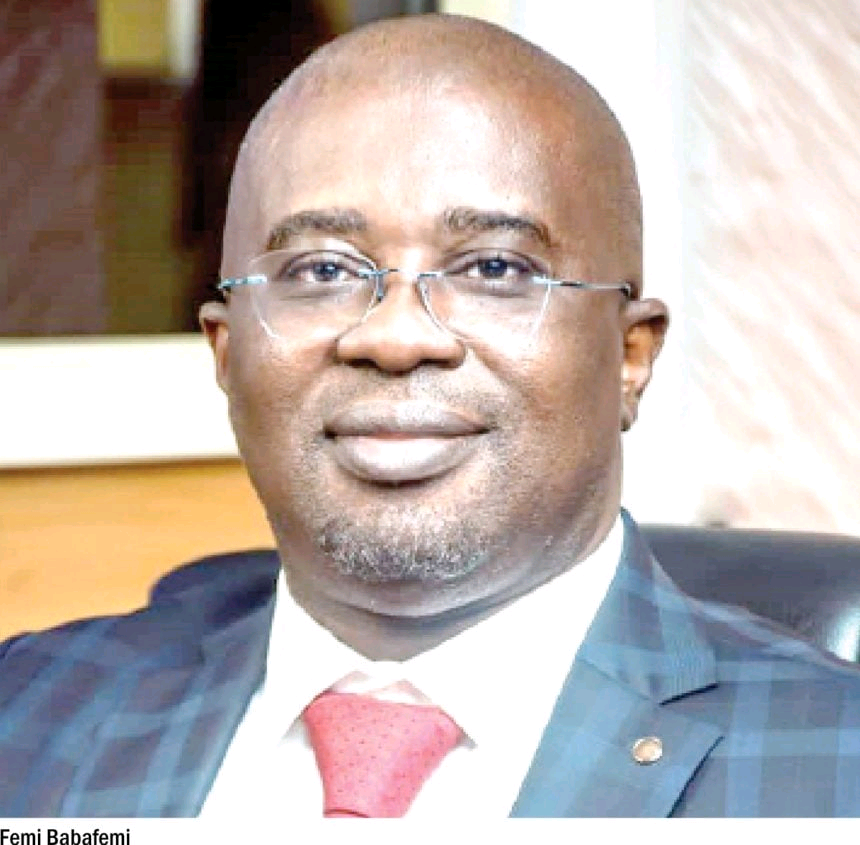
According to a statement by the spokesman of the NDLEA, Mr Femi Babafemi, on Tuesday, Marwa, who was represented by the Agency’s Secretary, Shadrach Haruna, told the Assembly that the NDLEA has evolved from a predominantly enforcement-focused organisation into an integrated, intelligence-led and people-centred body that brings together law enforcement, public health, technology, financial investigation, alternative livelihoods and international cooperation to achieve amazing results.
While stating that the shift was driven by a changing threat, he said “trafficking networks have become more sophisticated, technology has opened new channels for illicit activity, criminal proceeds move rapidly across borders, and drug dependence continues to affect individuals, families and communities. Nigeria therefore broadened its focus from drugs and offenders alone to the criminal networks, illicit profits and vulnerabilities that sustain the drug economy.”
He said this has produced great results in both drug supply and drug demand reduction in the country.
According to him, between January 2025 and September 2026, the NDLEA recorded 38,242 arrests; seized more than 5.8 million kilograms of illicit drugs valued at over N2.5 trillion; and secured 6,232 convictions, adding that, over the same period, more than 16,303 persons received counselling, treatment or rehabilitation, while prevention and sensitisation activities reached millions of Nigerians.
The NDLEA boss stressed that Nigeria’s emphasis is increasingly on dismantling major traffickers, organised structures and the financial networks behind the trade, rather than measuring performance solely by arrests and seizures.
He also highlighted the Alternative Development initiative, currently being piloted in three communities in Ondo State, where residents are being supported to transit from illicit cannabis cultivation to legitimate agricultural production.
The NDLEA boss noted that sustainable drug control requires more than removing an illicit crop; it demands credible economic alternatives that also strengthen food security, community resilience and national security.
He cited the NDLEA’s Drug Integrity Test and Visa E-Administration System as an example of how digital tools can improve accessibility, efficiency, transparency and integrity in public administration.
Marwa told the Assembly that these reforms are being consolidated in the National Drug Control Master Plan 2026–2030, which covers six pillars: drug supply reduction; drug demand reduction; access to controlled medicines; governance and coordination; alternative development; and disruption of the illicit drug economy.
Stressing that restoring trust requires delivery and managing transformation requires partnership, Nigeria urged the international community to strengthen timely international intelligence-sharing so criminal networks cannot exploit gaps between jurisdictions; intensify action against the illicit financial economy through financial investigation, asset tracing and recovery; strengthen prevention, treatment, rehabilitation and reintegration alongside effective enforcement; expand support for Alternative Development so communities leaving illicit cultivation have sustainable, legitimate livelihoods; support capacity development of law enforcement officers to match the growing sophistication and innovation of drug cartels; and invest in institutions that deliver these outcomes, particularly in developing countries, through technology, training, forensic capability, treatment infrastructure and sustained technical assistance.
Describing its experience as a continuing journey, not a finished model, Nigeria affirmed its readiness to share lessons, learn from others, and work with Member States, the United Nations and international partners to move from commitment to implementation, from cooperation to collective action, and from transformation to measurable delivery.
