




…urges voters to resist rigging
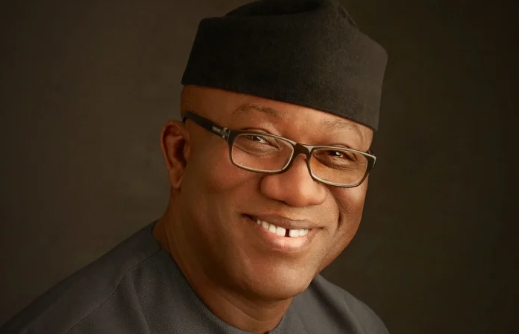
Former Ekiti State Governor, Dr Kayode Fayemi, has urged Catholic faithful across Nigeria to reject ethnicity, religious sentiments, financial inducement, political patronage, friendship and blind loyalty to political parties in determining their choices in the 2027 general elections.
Contents
…urges voters to resist rigging
ALSO READ: Tinubu has already won 2027 presidential election — Reno Omokri
Fayemi said Catholic voters should base their electoral decisions on candidates and policies capable of advancing human dignity, justice, peace, security, development and the common good.
The former Governor stated this in Ede, Osun State at the weekend during the September 2026 Plenary of the Catholic Bishops Conference of Nigeria (CBCN), held at Our Lady and St Kizito Pastoral Centre, Oke-Gada, Ede.
Delivering a lecture titled, “Faith in Action: Empowering the Catholic Laity for Active Political Participation Ahead of the 2027 General Elections,” the former governor said political and electoral choices had far-reaching consequences for the wellbeing of society.
He said the Church’s teaching on political participation should guide Catholic faithful to see elections not merely as a civic obligation but as an opportunity to promote, protect and advance the common good.
Fayemi further urged the faithful to resist electoral malpractice, promote peaceful elections, defend democratic institutions and engage constructively with governments at all levels.
According to him, “Ahead of the 2027 general elections, our participation as Catholics must not be driven primarily by ethnicity, religion, personal financial gain, political patronage, friendship, family connections, fear, misinformation or blind loyalty to political parties.
“The fundamental question must be which candidate and which policies are most capable of advancing human dignity, justice, peace, security, development and the common good? Catholics must approach the 2027 elections bearing in mind that our political and electoral choices have huge consequences for the common good and wellbeing of the society.
“We must therefore not lose sight of the church’s consistent teaching that our participation in political and electoral processes is not merely a civic responsibility but also an opportunity to promote, protect, and advance the common good.
“All eligible Catholics must register and collect a voter’s card. Engage and understand political candidates and their programmes.
“Volunteer for election monitoring and observation duties, engage in the activities of political parties, serve as electoral officials, contest for political office, hold elected officials accountable, promote voter education, resist electoral malpractice, encourage peaceful elections, defend democratic institutions, and engage constructively with govemment at all levels.
“As the election draws close, every political programmes must be judged by how it affects human beings. This implies that the laity should pay particular attention to how these programmes affect Poverty, Unemployment, Education, Healthcare, Security, Justice, the Family and the Vulnerable. For Catholics, these are moral issues and as such our political participation must be to address them.”
