




AS political actors begin positioning themselves for the 2027 general elections, Nigeria’s political landscape is witnessing a fresh wave of realignments, coalition talks, and renewed debates about the integrity of the country’s electoral system.
At the centre of these conversations is the Nigeria Democratic Congress (NDC), a relatively new political party that believes it is rapidly emerging as a formidable force capable of challenging the country’s established political order.
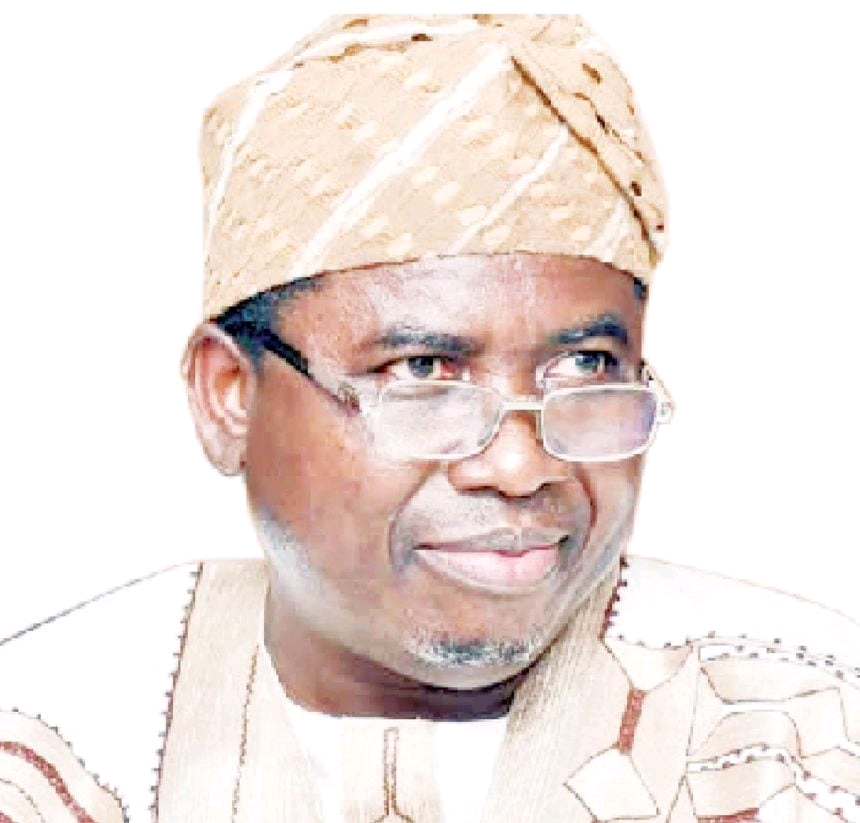
For the National Publicity Secretary of the NDC, Osa Director, the outcome of recent elections, particularly the Ekiti State governorship election, has once again exposed persistent weaknesses in Nigeria’s electoral process and raised concerns about the preparedness of the Independent National Electoral Commission (INEC) for the 2027 polls.
Speaking in an interview with Nigerian Tribune, Director painted a picture of a nation at a political crossroads, where citizens are increasingly searching for alternatives amid economic hardship, governance challenges and declining confidence in public institutions.
“There is no gainsaying the fact that the Nigerian political landscape is undergoing fundamental and significant alignments ahead of the 2027 general elections,” he said.
The NDC spokesman believes these realignments are being driven by widespread dissatisfaction with the current state of affairs and a growing desire among Nigerians to support political platforms that promise a different approach to governance.
According to him, the NDC has benefited significantly from this mood of political awakening.
“We are happy to note that we are the fastest-growing political party in Nigeria today and by extension on the continent of Africa,” he said, while thanking Nigerians for what he described as growing confidence in the party.
Beyond electoral ambitions, the NDC is attempting to project itself as a broad-based national movement rather than simply another opposition platform.
Director repeatedly emphasised the party’s willingness to work with individuals and groups across political, ethnic and religious divides.
Drawing from a metaphor popularised by the party’s National Chairman, Senator Cleopas Moses, Director described the NDC as a political Noah’s Ark designed to provide refuge for Nigerians seeking a new direction for the country.
According to him, the party’s vision is to unite citizens who believe Nigeria can still achieve its potential despite its current challenges.
“This is the time to come together under what my party chairman describes as the political Noah’s Ark,” he said. “The NDC is that vehicle that can provide rescue and refuge to those who want Nigeria to attain its manifest destiny of greatness.”
The party’s message comes at a time when opposition forces across the country are exploring possible alliances aimed at strengthening their chances against the ruling All Progressives Congress (APC) in 2027.
Unlike some opposition parties that have adopted rigid positions on coalition politics, the NDC appears eager to keep its options open. Director disclosed that the party remains willing to collaborate with other political organizations, including the Peoples Redemption Party (PRP), the New Nigeria People’s Party (NNPP), and other groups that share similar aspirations for national development.
For the NDC, the focus is less about party labels and more about building a coalition around the principles of good governance, accountability and national progress.
“It is obvious that Nigeria is in dire need of good governance. Any individual or political party willing to work for the advancement of Nigeria will find us ready to collaborate,” Director argued.
Yet while political alignments dominate discussions ahead of 2027, the NDC insists that electoral reforms remain the most urgent challenge confronting Nigeria’s democracy.
The party’s concerns were heightened by developments surrounding the recent Ekiti governorship election and several by-elections held across the country.
Director expressed disappointment over what he described as recurring electoral malpractices that continue to undermine public confidence in elections.
“We witnessed issues such as vote-buying, rigging, manipulation, underage voting and identity theft,” he alleged.
For him, these developments suggest that INEC still has significant work to do if it hopes to deliver a credible general election in 2027.
The criticism reflects a broader concern shared by many political observers and civil society groups who have questioned the effectiveness of electoral safeguards introduced in recent years.
Despite technological innovations such as the Bimodal Voter Accreditation System (BVAS) and the electronic transmission of results, controversies surrounding elections continue to dominate public discourse.
Director believes Nigeria cannot afford another disputed election cycle, especially at a time when citizens are increasingly demanding transparency and accountability from public institutions.
He therefore called on civil society organisations, election observers and the international community to intensify scrutiny of the country’s electoral processes.
“We need a democracy that is inclusive, free, credible and participatory,” he said. According to him, the lessons from Ekiti and other recent elections should serve as a wake-up call for INEC and other stakeholders responsible for safeguarding Nigeria’s democracy.
The NDC spokesman argued that the solutions to many of Nigeria’s electoral challenges already exist and do not require endless conferences or expensive consultations.
Instead, he advocated revisiting the recommendations of the Justice Mohammed Uwais Electoral Reform Committee, which submitted far-reaching proposals aimed at strengthening the country’s democratic institutions.
Established in the aftermath of widespread criticism of the 2007 general elections, the Uwais Committee recommended reforms covering electoral administration, dispute resolution, party financing and voter participation.
Many of its recommendations have remained either partially implemented or entirely ignored.
According to Director, Nigeria’s challenge is not a shortage of ideas but a lack of political will.
“Nigeria is not lacking solutions. What is lacking is the political will to implement those solutions”, he said.
He argued that government should dust off the committee’s recommendations, update them where necessary to reflect technological advancements and changing realities, and adopt them as part of a comprehensive electoral reform agenda before 2027.
Beyond electoral reforms, the NDC is already preparing for what it believes will be an intense political contest.
Director disclosed that the party plans to embark on extensive mobilisation efforts across the country, targeting both grassroots communities and influential political stakeholders.
The strategy will combine traditional political organizing with modern communication techniques designed to appeal particularly to Nigeria’s large youth population.
Door-to-door campaigns, community engagement initiatives, social media outreach and multimedia communication strategies are expected to form the backbone of the party’s mobilisation efforts.
The objective, according to Director, is not only to win votes but also to inspire greater political participation among citizens who have become disillusioned with the political process.
“We want to get young people involved and encourage active political participation,” he explained.
While he declined to reveal specific aspects of the party’s electoral strategy, citing concerns about political opponents gaining access to sensitive plans, he maintained that the NDC is committed to positioning itself as a credible alternative ahead of 2027.
As Nigeria moves closer to another crucial election cycle, the debate over electoral integrity, political alliances and democratic reforms is likely to intensify. For the NDC, however, the message is clear: before Nigerians can fully embrace political change, the country’s electoral system must first inspire confidence.
Whether INEC succeeds in addressing the concerns raised by opposition parties and civil society groups may ultimately deter
mine not only the credibility of the 2027 elections but also the future trajectory of Nigeria’s democracy.
