




The structural architecture of internal security in Nigeria is experiencing its most significant paradigm shift in decades following the historic passage of the landmark State Police Bill by the National Assembly .
Step-by-step integration with local intelligence
As state governments rapidly activate localised security commands to curb regional crimes, new technological demands are being placed on private residential communities. A major highlight of this decentralised approach is the newly introduced July digital surveillance directive, which formally loops private real estate perimeters into state intelligence architectures.
The policy framework shifts public safety from a reactive model to a data-driven proactive strategy, forcing property developers and facility managers to quickly align with the new codes.
This tactical integration aims to generate cross-mapped visual registries that allow investigators to effortlessly track criminal escape routes, trace regional syndicates, and secure undeniable electronic evidence for immediate prosecution in localized courts.
In this article, Tribune Online examines the operational realities of the July surveillance directive, detailing the exact technological specifications that estate associations must adopt to avoid structural penalties.
Technological essentials for compliance
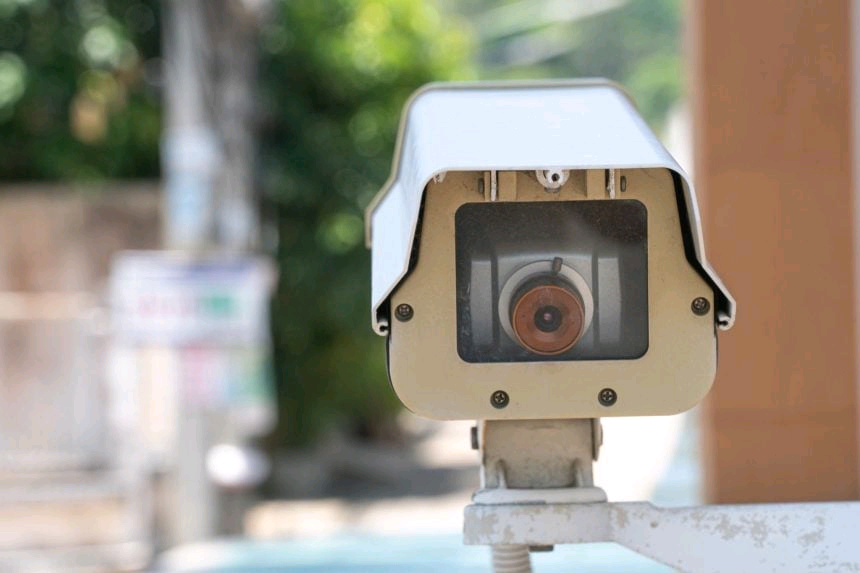
Private estate managers must ensure their surveillance grids meet modern digital standards rather than just serving as visual deterrents. To stay compliant with emerging state police intelligence codes, every private estate must possess high-definition IP cameras capable of capturing distinct facial features and license plates under low-light conditions.
These perimeter devices must be strategically positioned at all entry and exit gates, thoroughfare intersections, and vulnerable boundary walls to maintain an uninterrupted visual log.
Furthermore, state intelligence guidelines stipulate that security footage must be stored securely for a minimum duration of thirty to sixty days using cloud-supported Network Video Recorders.
This prolonged archiving period guarantees that local investigators can easily retrieve older footage if a complex security breach or cross-state investigation unfolds over several weeks.
Additionally, the entire surveillance framework must be backed up by reliable solar or inverter power units to ensure the system remains active during regional grid failures.
Step-by-step integration with local intelligence
Achieving full compliance requires a systematic approach that bridges private estate infrastructure with localised state police networks.
First, the estate management board must hire an accredited security technology expert to run a comprehensive blind-spot assessment across the entire property. This assessment highlights vulnerable access points and maps out the exact layout needed to achieve seamless 360-degree digital coverage.
Next, the technician must install the physical infrastructure, prioritizing weather-resistant hardware and encrypted data lines to protect the network from tampering or cyber-vulnerabilities.
Once the cameras are fully operational, the estate’s security council must formally register their surveillance setup with the nearest local state police intelligence desk.
This final regulatory step involves mapping out clear legal protocols for secure data sharing, ensuring that estate footage can be quickly handed over to state detectives whenever
an incident occurs in the immediate vicinity.
