




Speakers at the 2026 Oodua Progressive Union Europe Summit in Luxembourg have called for reforms to Nigeria’s governance structure, saying restructuring is necessary to promote good governance, sustainable development, security and national cohesion.
The speakers made the call at the summit, held with the theme, “The Yoruba Response to Restructuring, Insecurity, and Cultural Erosion in a Struggling Federation of Nigeria.”
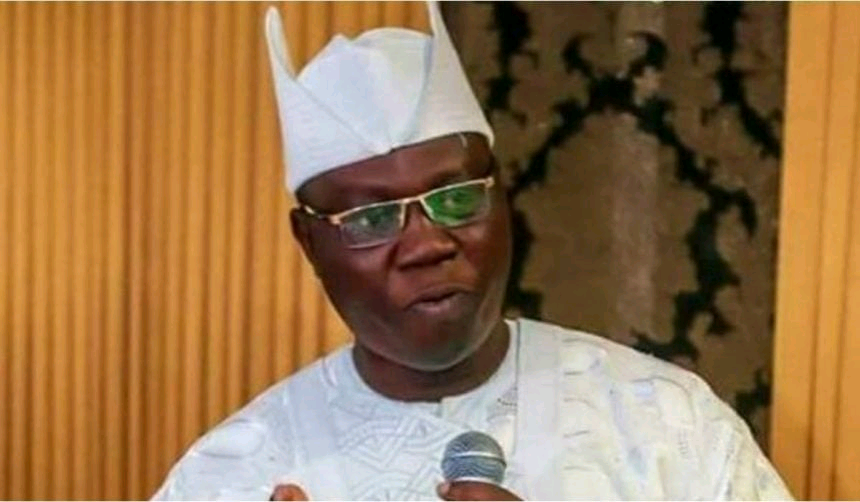
Speaking at the event, the Aare Ona Kakanfo of Yorubaland and Global Convener of OPU, Iba Gani Adams, described the theme as timely, given the challenges confronting the country.
Adams called for a recalibration of Nigeria’s federal system to promote equity, justice and effective governance.
He criticised what he described as the over-centralisation of power at the Federal Government level, arguing that it had contributed to inefficiency and marginalisation.
According to him, restructuring and true federalism would give states greater autonomy to manage their affairs and accelerate development.
“Restructuring is essential not only for equitable resource distribution but also for fostering national integration and eliminating ethnic discrimination,” Adams said.
On insecurity, he said addressing the crisis required more than military intervention, advocating greater involvement of local security structures, community policing and intelligence-sharing.
Adams stressed the need for closer collaboration between government and grassroots security stakeholders, noting that local actors were better positioned to provide intelligence because of their knowledge of the communities.
He said such collaboration could help tackle banditry, insurgency and kidnapping.
Adams leads a coalition of 16 security-related groups under the Southwest Security Stakeholders Group.
Chairman of the occasion, Engr. Philip Nganyandi, said restructuring, insecurity and cultural erosion were interconnected challenges requiring a comprehensive response.
He advocated constitutional reforms to decentralise power, strengthen state control of resources and improve local governance.
The guest speaker, Mr Giwa Tobi of the University of Luxembourg, also called for measures to bridge the gap between government and citizens, security agencies and communities, as well as younger Nigerians and their cultural heritage.
Tobi said Nigeria’s abundant natural resources and cultural diversity had not shielded the country from challenges threatening its unity, security and cultural heritage.
He argued that excessive centralisation of power had contributed to inefficiency and alienation among some ethnic groups, including the Yoruba.
According to him, restructuring should give states greater autonomy to govern their affairs, manage resources and develop their communities without undue interference from the Federal Government.
Tobi also advocated practical federalism and greater empowerment of local security groups as part of efforts to address insecurity.
Earlier, the OPU Europe Deputy Coordinator, Alhaji Babatunde Otukoya, commended Adams for establishing the OPU vision for Nigerians in the diaspora.
Otukoya said the organisation had grown into a movement that transcended national borders, adding that its activities had contributed to preserving Yoruba culture and language among Nigerians living abroad.
Also speaking, the Alagbegise of Agbegise Kingdom in Ogun State, Oba Ikudaisi Joseph Olusina, said the Yoruba position on restructuring was consistent with constitutional principles of unity in diversity and respect for the federating units.
He called for a governance system that would give states and local governments sufficient powers and resources to address challenges within their jurisdictions.
Olusina also commended Yoruba people in the diaspora for their contribution to cultural preservation and urged them to continue promoting Yoruba heritage.
Similarly, the Oniselu of Odo Iselu, Ogun State, Oba Oladipupo Kabir Badejo, said the Yoruba call for restructuring was rooted in the pursuit of true federalism.
Badejo expressed concern over the erosion of Yoruba identity, attributing the decline in indigenous languages, customs and values partly to globalisation and urbanisation.
He urged the Federal Government to strengthen cultural education and promote the teaching and use of indigenous languages in schools.
