


A legal action has been instituted against the Independent National Electoral Commission (INEC) over its alleged failure to account for over ₦126.46 billion in public funds appropriated for electoral operations.
A Lagos-based rights group, Socio-Economic Rights and Accountability Project (SERAP), initiated the suit before the Federal High Court, Abuja, seeking to compel the electoral body to disclose detailed information on the expenditure and utilisation of the funds.
In the 2023 audited report of the Auditor-General of the Federation, published on August 7, 2026, the allegations cover the period between January and December 2022 and, in some cases, extend to December 31, 2023.
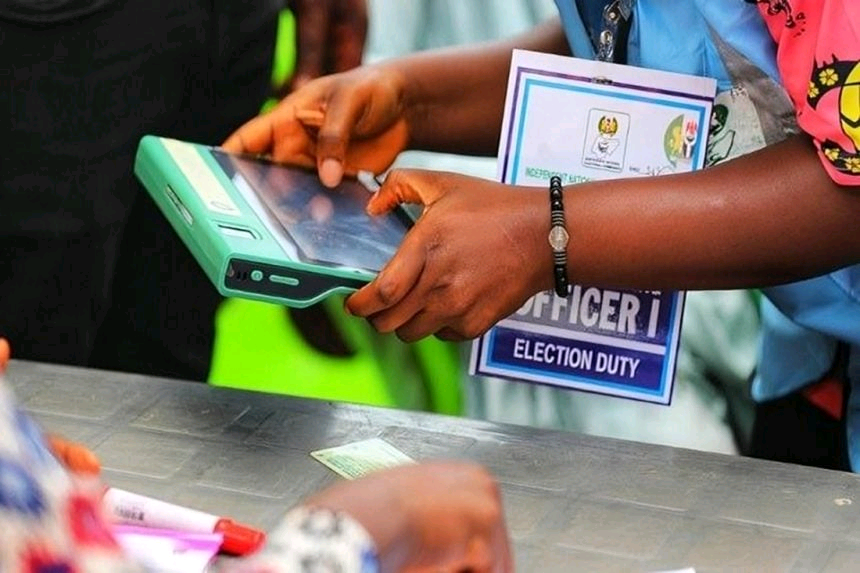
The funds, according to the report, were meant for procuring ballot boxes, electoral devices, sensitive materials, result sheets, vehicles, and accreditation devices, as well as for audit and consultancy services.
Specifically, SERAP, in its suit marked FHC/ABJ/CS/2507/2026, is seeking an order of mandamus to direct and compel INEC to promptly disclose detailed information on the expenditure, utilisation, and disbursement of the ₦126.46 billion.
SERAP equally wants INEC to provide a full financial and documentary account, including amounts released and paid, payment beneficiaries, and details of contractors and their beneficial owners.
The human rights group contended that, “electoral resources are public resources. INEC must be able to account for every naira, demonstrate that it was lawfully spent and show that it served the purposes for which it was appropriated.”
It further emphasised that with the 2027 general elections approaching, transparency and accountability in the management of these funds are essential to safeguarding public confidence in the electoral process.
The legal action initiated on behalf of SERAP by its lawyers Kolawole Oluwadare, Kehinde Oyewumi, and Andrew Nwankwo referenced specific findings from the Auditor-General.
These include an alleged irregular payment of over ₦112 billion for ballot boxes and electoral materials without competitive bidding, over ₦1 billion for Toyota Prado vehicles without advertisement, and over ₦3 billion paid to contractors before contracts were awarded.
Other findings referenced in the suit include over ₦9 billion for 22 contracts allegedly split to circumvent procurement procedures, over ₦129 million paid to 19 accounting firms for financial audit services without evidence of utilisation, and over ₦504 million for accreditation devices without a due procurement process.
The group posited that these findings suggest a grave violation of the public trust, the Nigerian Constitution, national anti-corruption laws, and the country’s obligations under the UN Convention against Corruption.
The organisation, therefore, wants the court to issue an order mandating INEC to ensure that no electoral equipment or material covered by the Auditor-General’s findings is disposed of or transferred in a manner that could frustrate transparency.
As of the time of filing this report, no date has been fixed for the hearing of the suit.
