




…faults Tinubu’s petrol subsidy policy
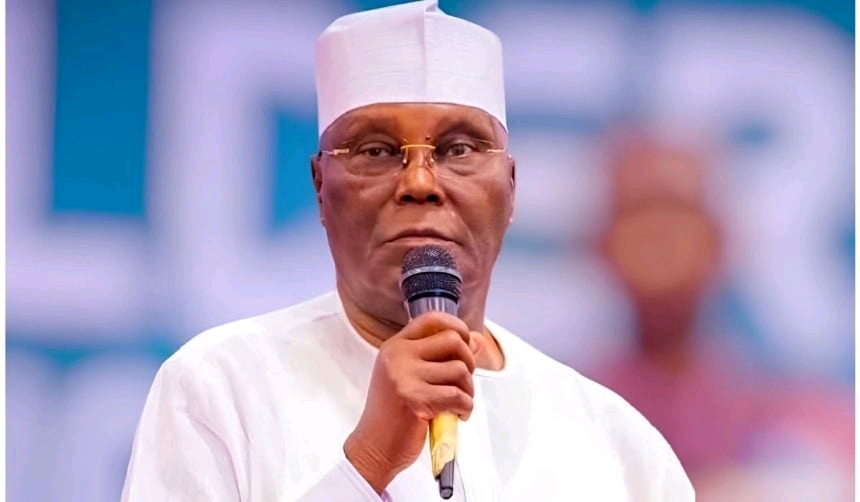
African Democratic Congress (ADC) presidential candidate Atiku Abubakar has promised to reduce the economic burden on Nigerians by lowering the cost pressures linked to petrol, transportation, food and other essential goods if elected president in 2027.
Contents
…faults Tinubu’s petrol subsidy policy
ALSO READ: VIDEO: I’m waiting for who can prove I was corrupt — Amaechi
Atiku, a former vice president, made the pledge while criticising the Tinubu administration’s handling of petrol subsidy removal and expressing sympathy for Nigerians struggling with rising living costs.
Atiku’s position was contained in a statement issued on Friday by the Director of Strategic Communication of the ADC Presidential Campaign Council, Mr Phrank Shaibu.
The former vice president also challenged Tinubu’s defence of the petrol subsidy removal and his description of subsidies as “addictive”, arguing that the policy had contributed to higher transportation and household costs.
He further disputed the President’s claim that salaries and pensions had been paid “on time and in full”, saying federal workers had reported delays while pensioners continued to protest over unpaid entitlements.
Atiku used Germany’s recent intervention on fuel prices to argue that governments could take targeted measures to reduce the impact of high energy costs on citizens.
Germany reduced energy taxes on petrol and diesel from October 1 to December 31, 2026, as part of measures aimed at easing pressure on households and businesses. The reduction was set at 14 cents per litre, rising to about 17 cents when the associated reduction in value-added tax is included.
The measure is expected to provide about €2.5bn in relief, while German Chancellor Friedrich Merz said it was designed to offer quick assistance to people and businesses facing high fuel costs.
Drawing the comparison with Nigeria, Atiku said the impact of expensive petrol extends beyond filling stations because transportation costs influence the prices of food and other commodities.
“When petrol becomes more expensive, transport becomes more expensive. When transport costs rise, food and other essentials cost more. The hardship follows Nigerians from the filling station to the market and into their homes.
“Germany understands that when fuel prices put families under pressure, government must act. Nigerians deserve the same compassion and urgency,” the statement quoted Atiku as saying.
Rather than returning to a blanket petrol subsidy, Atiku proposed targeted government support for fuel refined locally. He said the scheme would be funded through cuts to waste and subjected to strict auditing, with the benefit restricted to petrol refined in Nigeria.
“Our plan is to restore targeted, budgeted support for fuel refined in Nigeria, with strict auditing and a guarantee that the benefit lowers pump prices. Support will follow the barrel refined here, creating jobs here and easing costs for Nigerians. It will be funded by cutting waste, protected against diversion and price manipulation, and will not apply to imported fuel,” he added.
The ADC presidential candidate said reducing fuel costs would also help lower transportation expenses and the cost of moving goods from producers and suppliers to markets.
“Lower fuel costs can mean a cheaper bus ride, more affordable goods at the market and more money left in a family’s pocket,” he stressed.
He also expressed regret over the hardship facing households struggling to balance food, transportation and other basic expenses.
“To every Nigerian forced to choose between feeding a family, paying for transport or meeting another basic need, I am deeply sorry. You did not deserve this hardship. Tinubu made life unbearably expensive and called your suffering the price of reform. I will make life affordable again, he said.
Atiku said further action was needed to ease the pressure on households, linking his proposed fuel policy to local refining, job creation and lower living costs.
“Nigeria’s wealth should ease the burden on its people,” he said, adding that his proposed approach would be to “produce here, create jobs here and make life affordable again.”
