



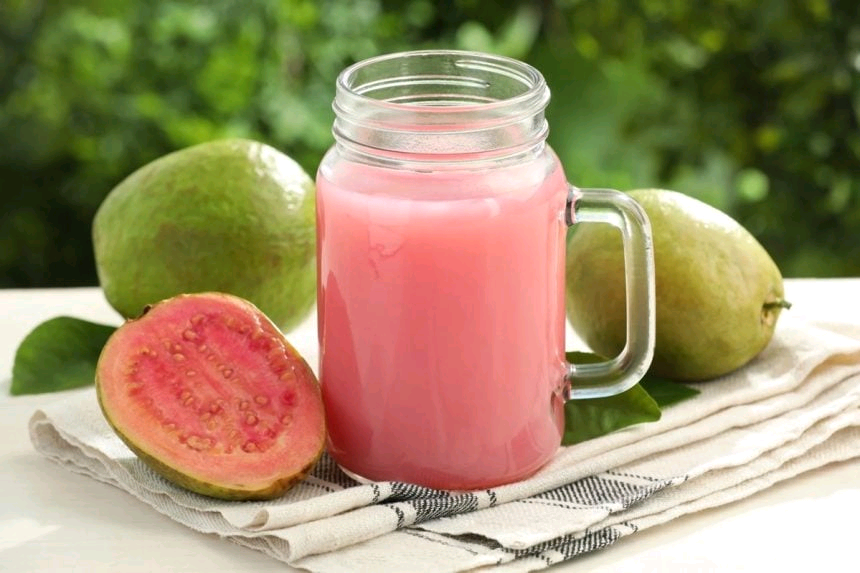

Guava juice, a simple fruit drink, could be a simple and affordable way to help reduce anaemia among women and teenage girls in low- and middle-income countries, according to new research drawing attention for its public health implications.
The study, published in ‘BMJ Nutrition, Prevention & Health’, indicated that regular consumption of guava juice can significantly improve blood levels, particularly when used alongside standard iron supplements.
Based on their findings, the researchers inferred that guava juice could be an affordable, food-based strategy for tackling iron-deficiency anaemia, one of the most widespread nutritional disorders globally.
The review adds to growing evidence that vitamin C-rich foods can improve the body’s ability to absorb iron, and may help strengthen existing nutrition programmes aimed at vulnerable groups such as pregnant women and adolescent girls.
Anaemia remains one of the most common nutritional disorders in the world. Global estimates indicate that about 45 per cent of pregnant women and nearly 40 per cent of non-pregnant women are affected by the condition worldwide, with the burden especially high in low- and middle-income countries.
In many communities, iron deficiency is the leading cause. It is often linked to poor dietary intake, limited access to healthcare, repeated pregnancies, infections, and heavy menstrual bleeding among adolescent girls and women of reproductive age.
Unfortunately, the consequences of iron-deficiency anaemia can be severe. It leads to chronic fatigue, poor concentration, weakened immunity, and complications during pregnancy and childbirth. In severe cases, it increases the risk of maternal death and poor outcomes for newborns.
While iron supplements are widely recommended as the standard treatment, many women stop taking the supplements due to side effects such as nausea, constipation, abdominal discomfort, and unpleasant taste.
This has led researchers to explore complementary dietary approaches that can improve iron absorption and reduce reliance on medication alone.
Guava, a tropical fruit widely grown in Asia, Africa, and Latin America, is particularly rich in vitamin C. It is one of the richest natural sources of the nutrient. It contains up to four times more vitamin C per 100 grams than oranges.
In addition to vitamin C, guava also contains vitamin A, folate, fibre, antioxidants, flavonoids, and small amounts of iron. These nutrients may also contribute to red blood cell production and overall nutritional support.
Researchers have been interested in whether gauva juice could serve as a practical, locally available tool to support anaemia prevention efforts because the fruit is affordable and culturally familiar in many tropical regions.
To assess the evidence, researchers reviewed 17 studies carried out between 2000 and 2024, mostly in Indonesia, involving 726 women and teenage girls, including pregnant women. Twelve of the studies provided usable data for a pooled analysis.
In most cases, participants received guava juice in combination with iron supplementation, although a few studies examined guava juice alone or combined with other fruit juices. The amount of guava juice given in the different studies varied, typically ranging from 100 ml to 300 ml per day.
Across the studies, guava juice consumption is associated with meaningful improvements in haemoglobin levels. The participants experienced an average increase of 1.71 g/dl in haemoglobin levels after consuming guava juice.
When broken down by group, teenage girls showed an average increase of 1.52 g/dl, while pregnant women showed a higher average increase of 1.84 g/dl.
Scientifically, an improvement of 1–2 g/dl can be enough to move individuals from mild or moderate anaemia into a non-anaemic range, which may significantly improve energy levels, cognitive function, work productivity, and pregnancy outcomes.
One of the most important findings came from studies that directly compared treatment strategies. Guava juice does not just work independently, but may actively enhance the effectiveness of iron therapy by improving absorption in the body.
Participants who consumed guava juice alongside iron supplements had haemoglobin levels that were, on average, 1.29 g/dl higher than those who took iron supplements alone.
Researchers explained that the Vitamin C in guava had helped to convert dietary iron into a form that is more easily absorbed in the intestines. This is especially important in populations whose diets are largely plant-based, where non-heme iron is the primary source of dietary iron.
The researchers also suggested that liquid forms like juice may improve compliance, making it easier for women and adolescents to consume the fruit regularly compared to eating whole fruit.
Despite the promising results, the researchers stress that the evidence must be interpreted cautiously. All 17 studies were conducted in Indonesia, raising questions about the findings being applicable to other populations with different diets, lifestyles, and health systems.
In addition, most of the studies were not randomised controlled trials, making it harder to establish clear cause-and-effect relationships.
There was also significant variation across studies in terms of guava dosage, preparation methods, duration of treatment, and participant characteristics. This makes it difficult to determine the optimal amount or duration of guava juice consumption.
Despite these limitations, they argued that guava juice could be incorporated into school feeding programmes, antenatal care packages, and community-based nutrition initiatives as a complementary intervention alongside iron supplementation.
While it is not a replacement for medical treatment or iron supplementation, it may offer a practical and accessible way to enhance existing interventions, particularly in settings where anaemia remains a major public health challenge and resources are limited.
For now, researchers say the findings have opened the door for larger and more robust studies that could determine whether guava juice can become a formal part of global anaemia prevention strategies.
